
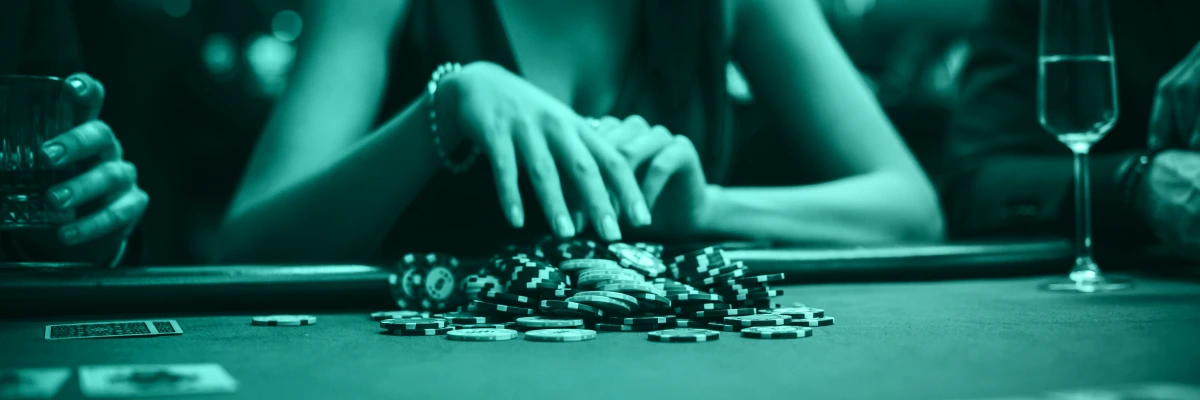
Bluffing is one of the most iconic and strategic elements in poker, but determining this requires more than a guess. Bluffing can be an effective way to keep opponents on their toes and mislead them about your hand. Yet, bluffing too often—or too rarely—can expose you to risks and predictability, affecting your success at the poker table.
In this guide, we’ll explore the key factors that influence how often should you bluff in poker, from understanding table dynamics to mastering mathematical strategies that improve your odds.
In poker, bluffing serves as a way to control the flow of the game by misrepresenting your hand. Deciding how often should you bluff in poker relies on finding a balance that keeps opponents uncertain about whether you have a strong or weak hand. Bluffing isn’t just about pretending to have a winning hand; it’s about shaping perceptions and forcing opponents into making mistakes.
At its core, a well-timed bluff can help players gain an edge by creating opportunities to win pots without the best hand. However, bluffing too frequently can make your strategy transparent and weaken your table image. Finding the right bluffing frequency is an essential aspect of solid poker strategy.
One of the biggest factors in determining how often should you bluff in poker is context. Several aspects of the game, such as the type of players at the table, your position, and the stakes, all play a part in determining the effectiveness of a bluff.
Each of these factors plays a critical role in defining how often you should bluff and tailoring your strategy for specific situations.
The type of poker game or format also affects how often should you bluff in poker. Different game types call for adjustments in bluffing strategy to suit specific dynamics and rules.
By adapting to the unique dynamics of each game type, players can improve their understanding and enhance their overall strategy.
While bluffing is essential in poker, improper bluffing can quickly become a costly mistake. Knowing how often should you bluff in poker is not only about frequency but also about timing and opponent selection.
Avoiding these mistakes is crucial to developing a balanced approach.
Creating a well-rounded bluffing strategy is essential for success at the poker table. Here are some practical tips to help you refine how often should you bluff in poker:
Beyond the math and strategy, bluffing involves psychological skill. Deciding how often should you bluff in poker requires understanding both your mindset and that of your opponents.
The psychological aspect of bluffing enriches your understanding of how often should you bluff in poker, making it more than just a matter of numbers.
Bluffing is an art that combines strategy, timing, and psychology. Deciding how often should you bluff in poker is about creating a balanced approach that keeps opponents guessing, maintaining a strategic blend of bluffs and strong hands. By considering factors like table dynamics, position, and game type, players can refine their bluffing frequency to maximize their effectiveness.
Mastering the optimal bluffing frequency doesn’t happen overnight, but with practice, observation, and a well-rounded approach, players can make bluffing a powerful tool in their poker arsenal. Whether in live games or online, maintaining an unpredictable edge is key to successful play.
If you’re looking for an exciting platform to practice and hone your bluffing skills on the go, try the Bitcoin casino app from BetPandaCasino.io! Accessible, secure, and offering a wide variety of games, it’s the perfect app for poker enthusiasts and crypto players alike.
It depends on several factors, including table dynamics, your position, and opponent tendencies. A balanced approach is best, typically bluffing around 20-30% of the time in a strategic way.
Bluffing from a late position is generally more effective since you have more information about other players’ actions before deciding.
Common mistakes include over-bluffing, under-bluffing, and ignoring opponent tendencies. Knowing this means finding a balance that keeps your opponents guessing.
Yes, mathematics provides useful guidelines. Calculating pot odds and expected value (EV) helps determine optimal bluffing frequency in various situations.
Your table image directly affects this. If you have a conservative image, bluffs are more believable, whereas an aggressive image may lead opponents to call your bluffs more frequently.
Operated by:
Star Bright Media S.R.L.
San Pedro, Barrio Dent, Del Centro Cultural Costarricense Norteamericano, Doscientos Metros al Norte y Concuenta al este, Edificio Ofident, Officins Numero Tres Costa Rica
Corporate Identification number:
3-102-880000
Betpanda.io



© All right are reserved. 2026 BetPanda.io