
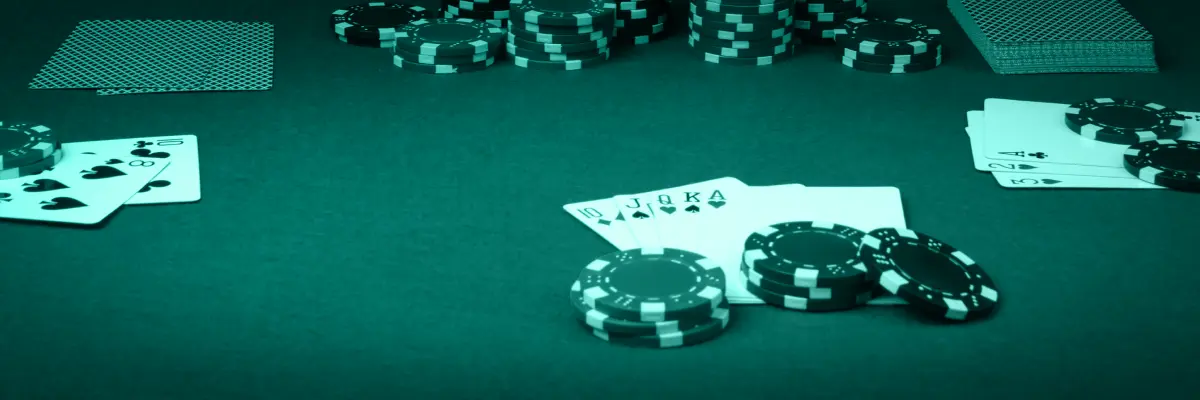
For poker enthusiasts, one of the best ways to sharpen skills and refine strategies is through consistent solo practice. Learning this offers freedom to work on specific aspects of the game without the pressure of a live table.
In this guide, we’ll explore effective ways, including setup tips, hand analysis, simulated scenarios, and goal-setting strategies that can transform your game. Let’s dive into the steps to improve your skills from the comfort of your own space.
The first step in how to practice poker by yourself is to set up a productive practice space. Practicing at home provides a relaxed environment to work on fundamental skills. Using a deck of cards, you can simulate real game situations to refine your hand-dealing, betting, and decision-making.
Working with physical cards makes solo practice more tangible, giving you a better grasp of hand movements, bets, and sequence—preparing you well for live play.
Another effective method is through poker software and apps, which simulate game scenarios and allow players to refine decision-making skills. Practicing against AI offers a realistic experience of in-game decision-making, allowing you to react to bets, bluffs, and hands as they unfold.
Using poker software to improve decision-making is an essential component of how to practice poker by yourself, as it provides feedback, challenge, and realistic gameplay.
For players aiming to improve, hand analysis is a crucial part. Taking time to review each session allows you to spot errors and evaluate strategy, which leads to better decisions in future games.
Learning from both mistakes and successful plays accelerates growth, helping players make calculated moves in future games.
One of the most productive ways for how to practice poker by yourself is to create hypothetical poker scenarios, allowing you to test various strategies and improve adaptability.
Developing flexibility in different scenarios will prepare you for real games, making it a valuable way to refine your approach for various table dynamics.
Part of understanding involves exercises that enhance memory and focus, which are critical to improving observational skills at the table. Solo practice can help you cultivate sharper recall and sustained concentration.
Memory and focus exercises are vital components of how to practice poker by yourself and can significantly improve your gameplay as they help you retain hand details and spot patterns faster.
No guide is complete without mentioning emotional control. Managing tilt—frustration or emotional imbalance—is essential for consistent, focused play.
Emotional control is critical to long-term poker success, and learning to handle tilt is a key element of how to practice poker by yourself effectively.
Learning how to practice poker by yourself opens up a world of improvement opportunities. From setting up a home practice space and using poker software, to running scenario drills and working on emotional control, solo practice allows players to deepen their understanding of the game at their own pace. Solo practice builds skills that are essential for real games, especially in the context of focus, strategy development, and adaptability.
If you’re ready to put in the effort, how to practice poker by yourself can be highly rewarding. Practicing alone enhances confidence, patience, and skills—traits that are indispensable in both casual games and serious tournaments. So, set up your practice space, plan out your sessions, and commit to consistent solo practice. With dedication, you’ll see your poker game reach new heights, all from the comfort of your home.
For players seeking a place to apply their solo practice, Betpanda casino offers a dynamic poker environment to test skills developed through solo practice. By combining online play with regular self-improvement, you’ll be ready to face opponents with skill and confidence, fully prepared by the techniques covered in how to practice poker by yourself.
Start by setting up a home practice space, using poker apps for simulated play, and reviewing hands after each session to identify improvement areas.
Some strategies include setting specific goals, simulating real-game scenarios like bluffing and short-stack play, and focusing on hand analysis and decision-making skills.
Yes, you can learn without software by using a deck of cards to deal hands, practicing betting rounds, and working on memory recall and concentration exercises to sharpen your skills.
To improve memory and focus, try exercises like recalling previous hands, tracking betting patterns, and focusing on concentration drills to boost in-game awareness.
Yes, learning this is beneficial as it allows you to focus on individual skills like strategy development, emotional control, and situational play without the pressure of a live table.
Operated by:
Star Bright Media S.R.L.
San Pedro, Barrio Dent, Del Centro Cultural Costarricense Norteamericano, Doscientos Metros al Norte y Concuenta al este, Edificio Ofident, Officins Numero Tres Costa Rica
Corporate Identification number:
3-102-880000
Betpanda.io



© All right are reserved. 2026 BetPanda.io